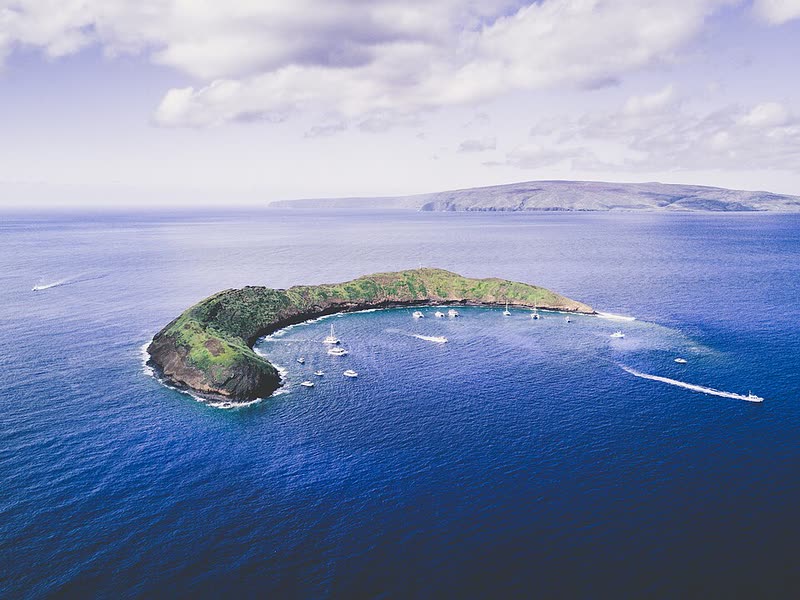
Few sights in the Pacific Northwest beat a pod of orcas surfacing in Haro Strait. The San Juan Islands are one of the best places in the country to see them, from a boat or from a rocky shoreline with a thermos of coffee. Here's how to choose a good tour, what the rules mean for you, and where to watch from land.
When to go
Orcas, gray whales and porpoises pass the islands from spring through fall, and their movements follow the salmon runs, so sightings vary from week to week.
The rules every good tour follows
The orcas most people hope to see, the Southern Residents, are endangered, and Washington protects them with some of the strictest whale-watching rules anywhere:
- Since January 1, 2025, every boat, kayak and paddleboard in Washington waters must stay 1,000 yards (about half a nautical mile) from Southern Resident orcas, in every direction.
- Within 1,000 yards, boats slow to 7 knots or less and move out of the whales' path. If whales come within 400 yards, the boat takes its engine out of gear until they pass.
- Bigg's (transient) orcas must be given 200 yards, and humpbacks, gray whales, seals and sea lions 100 yards (200 yards from resting baleen whales or a mother with a calf).
- If the crew can't tell which type of orca it is, they treat it as a Southern Resident.
Waters around the islands also cross into Canada, which has its own, different rules. A good operator knows both.
Bring binoculars, a warm layer and patience.
How to pick a tour
When you compare tours, ask a few questions before you book:
- Do they follow the Be Whale Wise guidelines? The answer should be an easy yes.
- What kind of boat is it? A larger boat with a covered cabin is steadier and warmer; a smaller open boat feels closer to the water but can be cold and splashy, even in summer.
- Is there a naturalist on board? Someone who can tell orcas apart and explain what you're seeing makes the trip.
- What happens if you don't see whales? Wildlife is never guaranteed, so ask about the operator's policy.
You can compare whale-watching tours on our Pacific Northwest tours page. Whichever you choose, check it against the questions above.
Watch from shore at Lime Kiln Point
On San Juan Island's west side, Lime Kiln Point State Park is often called the best place in the state to watch whales from land. A rocky shoreline trail and a historic lighthouse look out over Haro Strait, and a voluntary no-boat zone extends half a nautical mile off the park's shore. Bring binoculars, a warm layer and patience.
- A Discover Pass is required ($45 annual or $10 a day).
- The park is open 8 a.m. to dusk year-round, day use only. The lighthouse opens Thursday to Sunday, noon to 4 p.m.

Getting to the islands
Washington State Ferries sail from Anacortes to the San Juan Islands. Vehicle reservations are taken on this route and released in batches by season, and a reservation isn't a ticket. WSF advises arriving 45 to 60 minutes early for San Juan sailings. If you won't need a car on the island, walking on is an option too.
Plan it
- Whale watching rules and tide pool tips in our Pacific Northwest guide
- San Juan Islands and Whidbey: Lime Kiln Point, English and American Camps, Moran State Park and Deception Pass
- Build your Pacific Northwest trip in our free Trip Planner, no account needed
- See the best Pacific Northwest tours
Facts from our Pacific Northwest guide, checked against Be Whale Wise, Washington State Parks and Washington State Ferries in October 2026. Cover photo: Erik Stockdale, CC0. Some links in this story are affiliate links; we may earn a commission at no extra cost to you. Learn more.